
Sonos vs a Distributed Audio System: What High-End Homes Use
When is Sonos enough, and when do you need a wired distributed audio system? A neutral comparison of sound quality, reliability, scale — and how the two work together.

When homeowners plan whole-home music, the question is almost always the same: is Sonos enough, or do we need a proper distributed audio system? Both can fill a house with sound, but they solve the problem differently. This is a neutral look at where each excels — and why the two are not mutually exclusive. Audio distribution is core to what we design, so this comes up on nearly every project.
The short answer

Choose Sonos when you want easy, flexible, app-driven music and a setup you can grow room by room. Choose a wired distributed audio system when you want the best sound quality, the most reliability, seamless whole-home and outdoor coverage, and clean architectural speakers. For a serious home, the best answer is often both — a wired backbone with Sonos as one of its sources.
What Sonos is great at
Sonos earned its reputation for good reason. It is genuinely easy: the app makes grouping and ungrouping rooms effortless, anyone in the household can use it, and you can start with a couple of rooms and add more over time. For convenient streaming across a home — without a major infrastructure project — it is hard to beat, and it is a perfectly good choice for many homes.
What a distributed (wired) audio system does differently
A distributed audio system runs dedicated speaker wiring from central amplification to architectural in-ceiling and in-wall speakers throughout the home. Because the signal path is wired, sound quality is higher and more consistent, and the system is less prone to the dropouts and interference that can affect purely wireless setups. It is also built to scale — many zones, multiple sources, and demanding outdoor areas — without straining.
Sound quality, reliability, and scale
For critical listening, large zone counts, and outdoor coverage across a property, a wired system has real advantages: better speakers in better positions, more headroom, and dependable performance day after day. Wireless mesh audio can bottleneck as you add zones, especially through thick walls and across large or multi-level homes — the same physics that strain a home’s Wi-Fi and network. Where reliability and fidelity matter most, wired wins.
You don’t have to choose: Sonos inside a control system
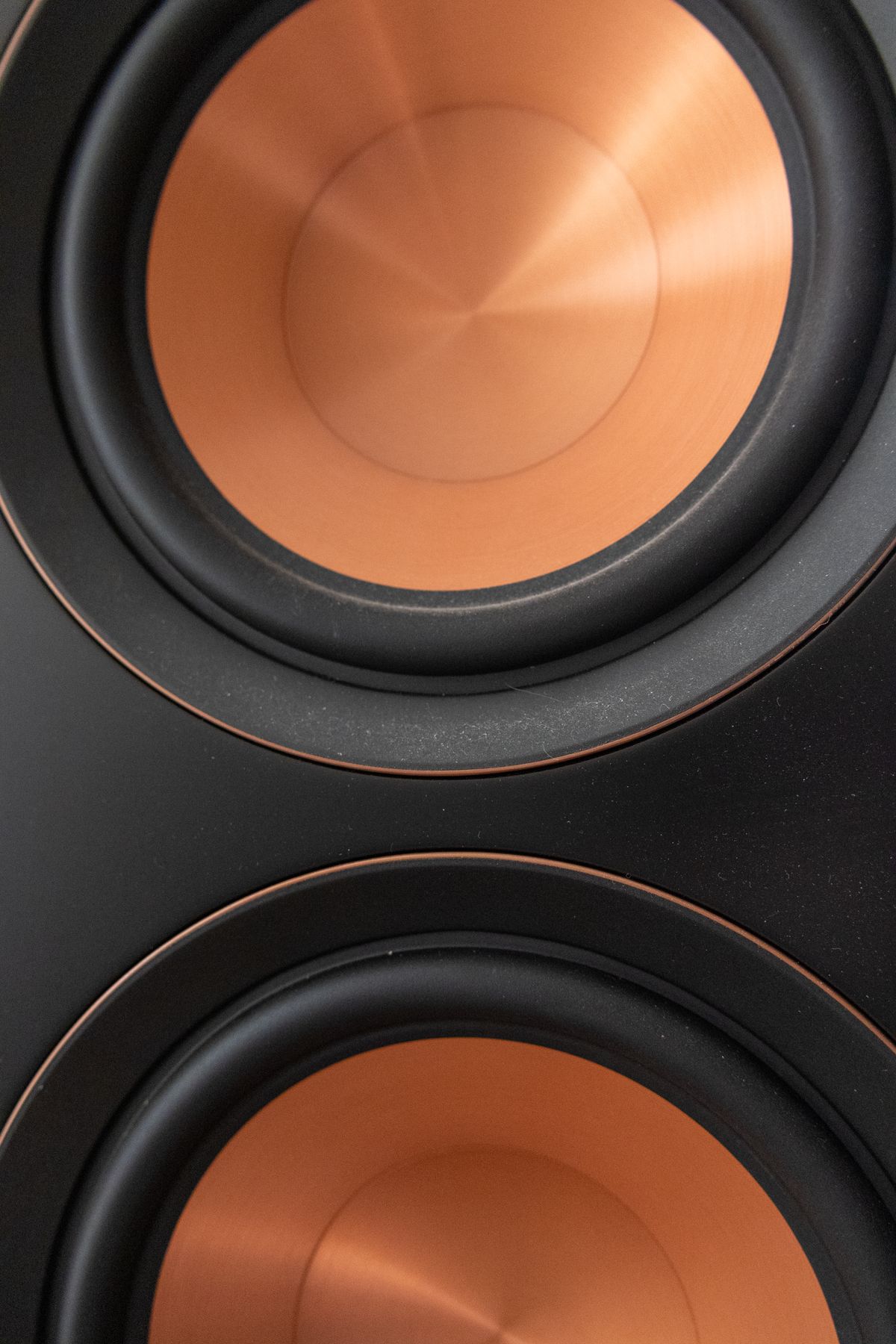
The most practical answer for many homes is a hybrid. A wired distributed system handles fixed zones and architectural speakers, while Sonos lives inside it as an easy streaming source — and a control platform like Crestron ties it all together so everyday music control lives on the same touch panels, remotes, and app that run lighting, video, and shades. You get Sonos’s simplicity with the reliability and quality of a wired backbone.
Planning your audio zones
How to plan whole-home audio zones
- 1
List the rooms and outdoor areas
Walk the home and note every space you want music — kitchen, primary suite, patios, pool deck — and how critical the listening is in each.
- 2
Decide wired vs wireless per zone
Favor wired, architectural speakers for fixed living spaces, outdoor coverage, and critical listening; wireless is fine for flexible or secondary spaces.
- 3
Plan amplification and sources
For wired zones, plan central amplification and your sources (streaming, Sonos, turntable, AV). This is where a distributed system earns its reliability.
- 4
Choose one control layer
Pick a single way to control everything — a control platform or app — so the whole system feels like one system, not several.
- 5
Pre-wire if you’re building or renovating
If walls are open, run speaker wire and conduit now. Retrofitting later costs far more — see our new-construction pre-wiring checklist.
Sonos vs distributed audio at a glance
| Sonos | Distributed (wired) audio | |
|---|---|---|
| Sound quality | Very good | Highest, most consistent |
| Reliability | Good (wireless-dependent) | Excellent (wired) |
| Ease of use | Excellent app | Excellent via control system |
| Scale | Good for moderate zones | Seamless across many zones + outdoors |
| Speakers | Mostly self-contained | Architectural in-ceiling / in-wall |
| Install effort | Low (minimal wiring) | Higher (dedicated wiring) |
| Best for | Easy multi-room streaming | Whole-home, outdoor, critical listening |
Sound that fills every room.
Ideal Automation designs whole-home and outdoor audio — wired for reliability, controlled from one simple interface.
Explore audio & videoFrequently asked questions
Is Sonos good enough for a whole house?
For many homes, yes — Sonos handles multi-room music well and is very easy to use. Its limits show up at scale and at the high end: large zone counts, demanding outdoor coverage, in-ceiling architectural speakers, and the most critical listening are better served by a wired distributed audio system. Plenty of homes use Sonos as one source within a larger wired system.
What is a distributed audio system?
A distributed (or “whole-home”) audio system sends sound to multiple rooms or zones from central amplification, usually over dedicated speaker wiring to architectural in-ceiling or in-wall speakers. Because it is wired, it offers higher, more consistent sound quality and reliability than a purely wireless setup, and it scales cleanly across many zones indoors and out.
Can Sonos be part of a Crestron or distributed system?
Yes. Sonos integrates well into control systems like Crestron and into wired distributed audio as a source, so you can control everyday streaming from the same touch panels, remotes, and app that run the rest of the home. You get Sonos’s easy streaming with the reliability and quality of a wired backbone.
Is wired audio better than wireless?
For sound quality and reliability, wired generally wins — there is less interference, more consistent performance, and fewer dropouts. Wireless wins on flexibility and easier installation. Most high-end homes use a hybrid: a wired backbone for fixed zones and architectural speakers, with wireless convenience where it makes sense.
Written and reviewed by the team at Ideal Automation — Arizona integrators of custom AV, lighting, and home automation, and specialists in modern Crestron CH5 graphics.