
Leaving for the Holidays (or Heading Back North)? The Smart-Home Checklist for an Empty Arizona House
Leaving your Arizona home empty? A smart-home checklist: leak shutoff, safe thermostat setbacks, cameras, remote access, and a ready home on return.

November is when Arizona's calendar flips. Locals pack up for the holidays, and the snowbirds roll in. For many Valley households it works both ways: they leave in December to see family, and if they split the year, they leave again in spring for a long, hot summer away. Either way, the house sits empty, and an empty house is where small problems turn into expensive ones. A smart home is well suited to looking after a house while you're gone, but only if it's set up for it before you leave. Here's the checklist we walk clients through.
Why an empty Arizona house needs a plan
Phoenix has a lot of part-time homes. A widely cited Arizona State University study estimated that more than 300,000 snowbirds migrate to Arizona each year. More recently, one auto-transport company's snowbird index found that about 72% of snowbird vehicles shipped to Arizona go to the Phoenix area. Those are a lot of houses running on autopilot for weeks or months at a time. The risks aren't exotic. They're water, temperature, theft, and nobody being there to notice. The point of a smart home here is simple: you find out in minutes instead of when you get home.
Before you leave: test remote access
Everything else on this list depends on being able to see and control the house from somewhere else. Test it the right way, on cellular data rather than home Wi-Fi, a few days before you go.
Smart-home checklist before you leave an Arizona home empty
- 1
Test remote access away from home
Turn off Wi-Fi on your phone and use cellular data to open your control app, view each camera, and change a light and the thermostat. If something only works at home, fix it now, not from the airport.
- 2
Update apps and confirm logins
Update your control, camera, and thermostat apps, and make sure you know every password. Being locked out of an app 1,500 miles away is a common and avoidable problem.
- 3
Set alerts to reach the right people
Turn on push or text alerts for water leaks, high or low indoor temperature, power loss, doors, and the garage. Add a trusted neighbor or property manager as a second contact.
- 4
Test leak sensors and the shutoff valve
Briefly wet a sensor to trigger it, and confirm the alert arrives and the main valve closes. Re-open the valve and reset the sensor afterward.
- 5
Set an away climate mode
Switch to a safe setback (not off) for heating in winter or cooling in summer, and lock it so a scheduled program does not override it.
- 6
Turn on presence simulation
Enable your lighting system's away or vacation mode so lights and shades vary each evening instead of following a predictable timer.
- 7
Handle packages and mail
Pause deliveries or send them to a locker or a neighbor, put a mail hold in place, and confirm the doorbell camera sends motion and package alerts.
- 8
Check backup power and internet
Make sure the network rack UPS is healthy (no warning beeps) and, for long absences, consider a cellular backup so you can still see the house if the main internet drops.
Water leak sensors and automatic shutoff
If you protect against one thing, make it water. According to the Insurance Information Institute, water damage and freezing claims averaged about $15,400 each from 2019 to 2023, and they're among the most frequent homeowners claims. A slow drip that you'd catch in a day turns into a ruined floor after two weeks away.
The fix is cheap compared to the damage:
- Leak sensors under sinks, behind the refrigerator and ice maker, at the washer, beside the water heater, and at the water softener and filtration system.
- The Arizona special: AC air handlers and condensate lines, often in the attic, where a clog or overflow drips straight through the ceiling.
- An automatic shutoff valve on the main line. When a sensor detects water, the valve closes and you get an alert, and the leak stops at a few cups instead of a few thousand gallons.
- Integration with your control system, so leak alerts sit alongside everything else in one app, and the shutoff can be part of your "Away" scene.
Thermostat setbacks that are safe for pipes and pets
The most common mistake is turning the HVAC off. In winter, Phoenix freezes more often than visitors expect. In January 2025, the National Weather Service issued a freeze warning for much of the Valley, with lows in the upper 20s in the coldest spots. Exposed pipes, hose bibs, backflow preventers, and pool equipment are what get hurt. Set a moderate heating setback, not off, so the house and anything living in it stay safe.

In summer it's the reverse. A closed-up Arizona house without cooling can bake. Finishes, artwork, wine, and electronics all suffer, and the AC then has to work for hours to recover. Use a cooling setback instead. Smart thermostats and whole-home systems can lock those settings, so a forgotten schedule doesn't override them, and alert you if indoor temperature drifts out of range. That's often the first sign of an HVAC failure.
Presence-simulation lighting
A house that's dark every night, or one where the same lamp switches on at exactly 6:00 p.m., looks empty. Professional lighting systems do this much better than a plug-in timer. Lutron's Caséta app has a Smart Away feature, and RadioRA 3, Crestron, and Control4 systems can be programmed with a vacation mode that does the same job. It varies which lights come on and when, in a pattern that looks like normal evening life. Add exterior lighting at dusk, and shades that move on a believable schedule, and the house looks lived in from the street. See how we approach lighting design in Phoenix.
Cameras, doorbells, and package theft
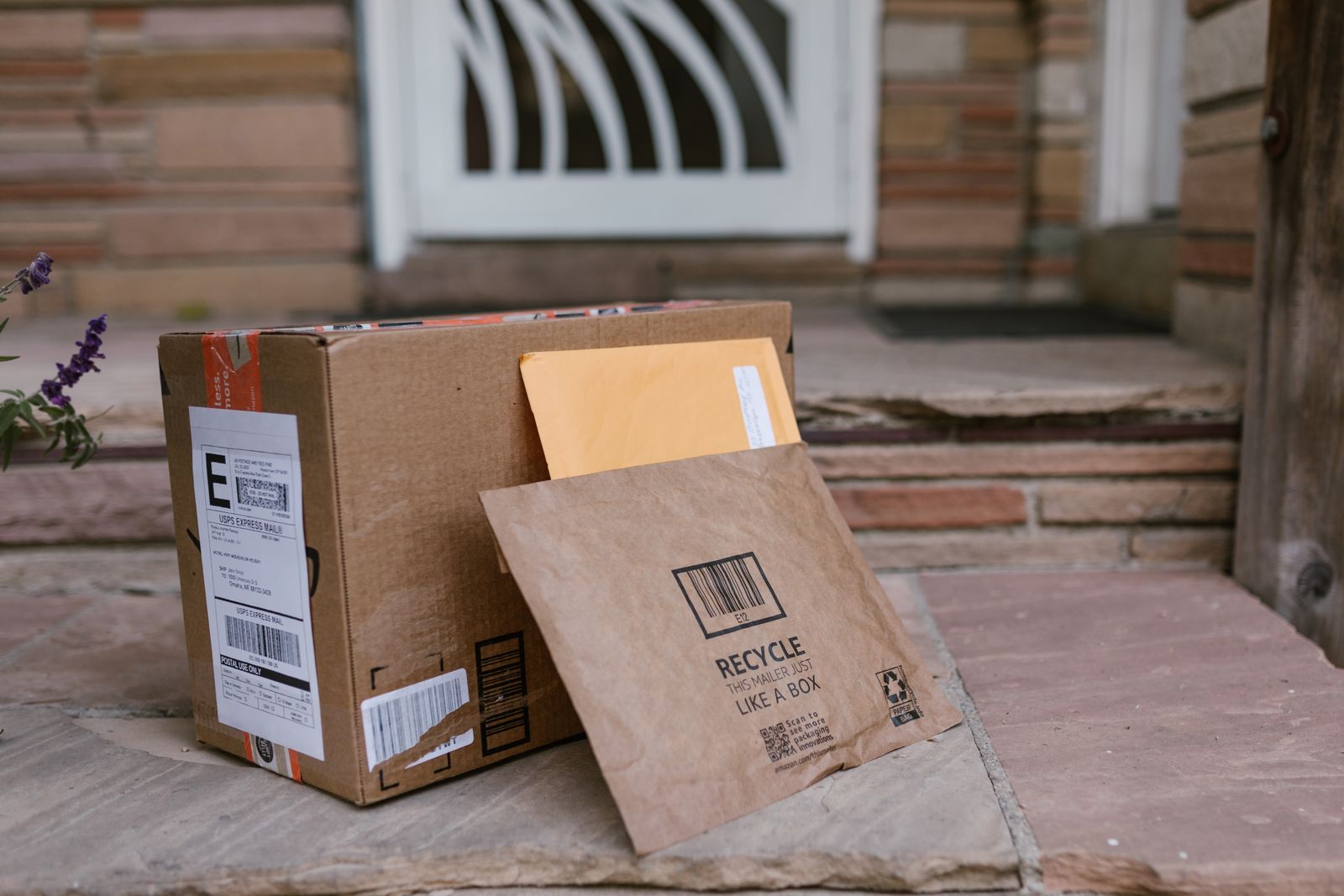
Holiday deliveries pile up fast, and so does theft. SafeWise estimates that 104.3 million packages were stolen in the U.S. in 2025, about 250,000 a day, and that 31% of Americans had a package stolen in the past year. When you're away, the best package is one that never sits on the porch:
- Pause deliveries, or route them to a locker or a neighbor, and place a mail hold.
- Use a video doorbell with package and person detection so you get an alert, and footage, the moment someone steps onto the porch.
- Point a camera at the driveway and side gates as well as the front door.
- Record to a local NVR as well as the cloud, so footage is kept even if the internet goes down.
Our security and surveillance systems tie cameras, doorbells, and door sensors into the same app as your lighting and climate.
If the internet goes out while you're away
This is the scenario people forget. A monsoon or winter storm knocks out the neighborhood internet, and you suddenly can't see your house. The local system keeps running: your setbacks, lighting, and leak shutoff all work without internet. What you lose is the view and the alerts. Three things help:
- A UPS on the modem, router, and processor, so short power blips don't take the network down.
- Cellular or Starlink failover, so the house switches to a backup connection automatically.
- Remote monitoring by your integrator, so someone notices that the house has gone offline.
For the full troubleshooting steps, see what to do when your internet goes out in our monsoon guide.
Snowbirds and second homes: the long absence
If you split the year, your house faces the hardest stretch exactly when you're gone: an Arizona summer with heat, dust, and monsoon storms. Plan the summer departure differently from a two-week holiday trip.
| Setting | Holiday trip (days to weeks, winter) | Seasonal departure (months, summer) |
|---|---|---|
| Climate | Heat setback, never off; protects pipes and pets | Cooling setback, never off; protects finishes, electronics, and wine |
| Water | Leak sensors and auto shutoff; consider closing the main | Main shut off or monitored auto shutoff; check pool auto-fill |
| Lighting | Presence simulation each evening | Presence simulation plus exterior security lighting |
| Shades | Normal schedule | Closed on sun-facing glass to cut heat and fading |
| Monitoring | Alerts to you plus a neighbor | Alerts plus a property manager and remote system monitoring |
| Internet | Primary connection is usually fine | Cellular or Starlink failover recommended |
| Power | UPS on network and processor | UPS plus surge protection; monsoon arrives while you are away |

Before a seasonal departure, we also recommend having your integrator check UPS batteries (heat wears them out), confirm surge protection is in place, and set up remote monitoring. Monsoon season starts June 15, and our guide to protecting a smart home from monsoon storms covers what's coming.
Arriving to a ready home
The best part of a smart home on your return is walking into a house that's already ready for you. A "Returning" scene can cool or warm the house a few hours before you land, open the water main, turn on the entry and kitchen lights, open the shades, and heat the pool or spa. Trigger it from your phone when you board, or schedule it ahead. Coming back after months away? Have us run a quick system health check first, so the only thing you notice is how comfortable the house is.
Get your house ready before you go
Most of this checklist is configuration, not new equipment. Many systems already have the pieces; they just need the away modes, alerts, and remote access set up properly. If you're missing leak protection, failover, or monitoring, those are straightforward additions to an existing smart home system, whether you're in Scottsdale, Paradise Valley, or across the Valley.
Map what your home needs with the free Ideal Blueprint planner, or talk to us before your trip and we'll make sure the house is ready to look after itself.
Leaving soon? Let us get the house ready.
We set up away modes, leak protection, remote access, and monitoring so your Arizona home looks after itself while you are gone, and is comfortable when you get back.
Start your BlueprintFrequently asked questions
What temperature should I set my thermostat to when leaving my Arizona home empty?
Use a setback, never off. In winter, keep moderate heat so pipes, pool equipment, and pets stay safe during occasional Valley freezes. In summer, use a cooling setback to protect finishes, electronics, and wine. Your HVAC contractor can recommend exact settings for your home, and a smart thermostat can lock them and alert you if the temperature drifts.
Are water leak sensors with automatic shutoff worth it?
For any home that sits empty, yes. Water damage and freezing claims averaged about $15,400 from 2019 to 2023, according to the Insurance Information Institute. Sensors under sinks, at the water heater, and at the AC air handler, paired with a main-line shutoff valve, can stop a leak within minutes and alert you anywhere.
How do I make my house look lived in while I travel?
Use your lighting system's away or presence-simulation mode, such as Smart Away in Lutron Caséta or a programmed vacation mode on RadioRA 3, Crestron, or Control4. It varies which lights turn on and when, instead of a predictable timer. Add exterior lighting at dusk, shades on a believable schedule, paused deliveries, and a mail hold.
What happens to my smart home if the internet goes out while I am away?
Local functions keep running: lighting, thermostat setbacks, leak shutoff, and local camera recording. You lose remote viewing and alerts until the connection returns. A UPS on the network, cellular or Starlink failover, and integrator monitoring keep you connected to the house during an outage.
Should snowbirds set up their Arizona home differently for summer?
Yes. A summer absence overlaps with extreme heat and monsoon season, June 15 through September 30. Use a cooling setback, close shades on sun-facing glass, shut off or monitor water, add surge protection and a healthy UPS, and set up backup internet and remote monitoring.
Written and reviewed by the team at Ideal Automation — Arizona integrators of custom AV, lighting, and home automation, and specialists in modern Crestron CH5 graphics.