
Circadian (Human-Centric) Lighting at Home: A Complete Guide
What circadian, human-centric lighting is, the wellness benefits, where it matters most in the home, and how tunable lighting plus automation make it work.

Lighting does more than let you see — it shapes how you feel, sleep, and focus. Circadian lighting (also called human-centric lighting) uses that fact deliberately, shifting light through the day to match your body’s natural clock. It is one of the most meaningful upgrades in a modern luxury home, and it is central to our signature lighting work.
What is circadian (human-centric) lighting?
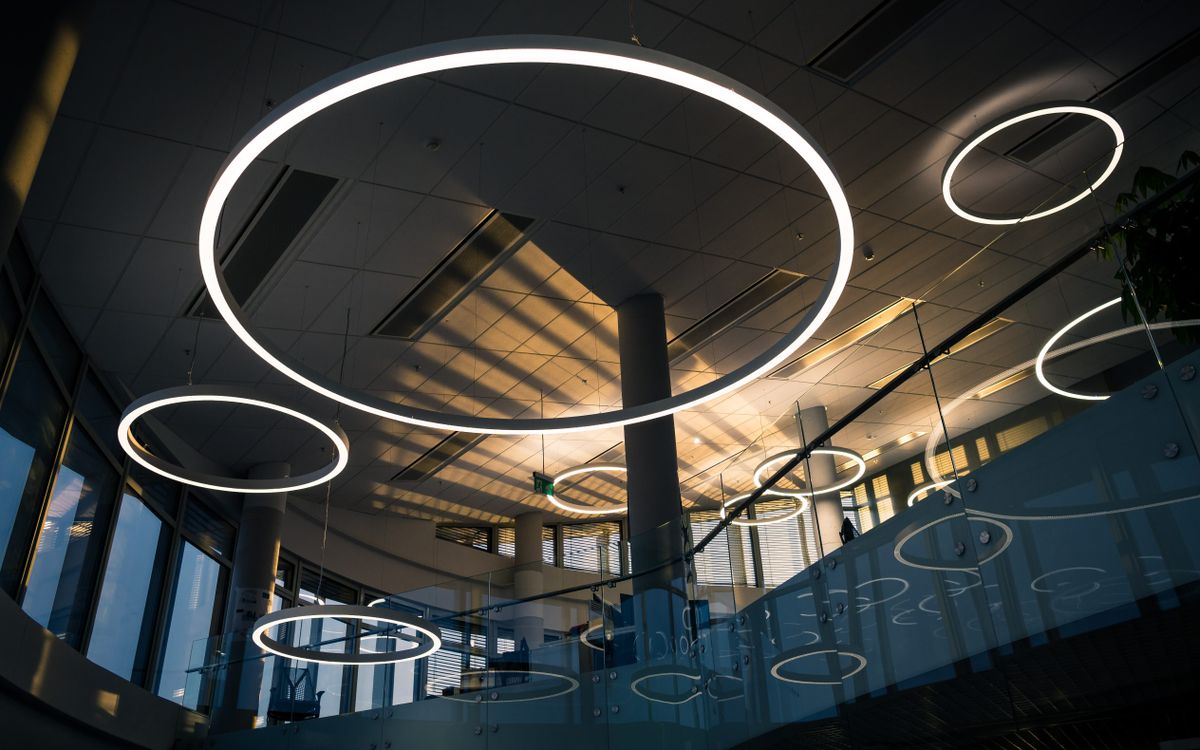
Color-tunable LED lighting can change both its tone (warm to cool) and its intensity. Circadian lighting orchestrates those changes across the day: cooler, brighter light in the morning and midday to energize you, and warmer, dimmer light in the evening to help you wind down. The goal is to mirror the natural arc of daylight indoors, where we now spend most of our time.
The benefits
Light is one of the strongest signals for the body’s internal 24-hour clock, which governs sleep, alertness, mood, and more. Aligning your lighting with the day-night cycle can support better sleep quality, more energized mornings, improved daytime focus and mood, and reduced strain from harsh or mistimed light. For a home, those daily benefits compound over months and years.
Where it matters most
| Space | Why it matters | Typical approach |
|---|---|---|
| Primary bedroom | Protects sleep, energizes mornings | Warm/dim at night, cool/bright AM |
| Kitchen & living | Anchors your daily rhythm | Bright cool daytime, warm evenings |
| Home office | Supports focus and productivity | Cooler daytime, reduced blue at breaks |
| Bathrooms | Gentle nights, clear mornings | Low warm at night, crisp by day |
How it works
Three pieces make circadian lighting real: quality tunable fixtures that render color beautifully across the range, a control system that can adjust color temperature and brightness automatically, and automation tied to the time of day. The best results also coordinate with motorized shades so natural and electric light work together — daylight in by day, glare and heat managed, warm light at night. This is exactly where Lutron and Crestron shine; see Lutron vs Crestron for lighting.
Getting it right
The difference between gimmick and genuine wellness is design. Levels, timing, and transitions have to feel natural — too abrupt or too cool and it works against you. That is why circadian lighting rewards professional design: choosing fixtures that tune well, programming smooth transitions, and balancing each room so the effect is felt, not noticed. It is the kind of detail most integrators skip, and the one clients feel every single day.
Lighting that feels as good as it looks.
Ideal Automation designs and programs tunable, human-centric lighting — our signature craft, balanced to a reference standard.
See our lighting workFrequently asked questions
What is circadian lighting?
Circadian, or human-centric, lighting is lighting that changes color temperature and brightness throughout the day to align with your body’s natural 24-hour rhythm. It delivers cooler, brighter light during the day to support alertness and warmer, dimmer light in the evening to support winding down and sleep.
Does circadian lighting actually work?
Light is one of the strongest cues for the body’s internal clock, so aligning your lighting with the natural day-night cycle can support better sleep, mood, alertness, and focus. The benefits are greatest when the system uses quality tunable fixtures and automates the changes, rather than relying on you to adjust lights manually.
Where should I use circadian lighting in my home?
The highest-impact rooms are bedrooms (for sleep and energized mornings), kitchens and main living areas (which anchor your daily rhythm), and home offices (where good daytime light supports productivity). Many homeowners start in these spaces and expand from there.
What do I need to set it up?
You need quality color-tunable fixtures, a lighting control system capable of adjusting color temperature and brightness on a schedule, and automation that ties the changes to the time of day — ideally alongside motorized shades so daylight and electric light work together. Professional design ensures the levels and timing actually feel natural.
Written and reviewed by the team at Ideal Automation — Arizona integrators of custom AV, lighting, and home automation, and specialists in modern Crestron CH5 graphics.